


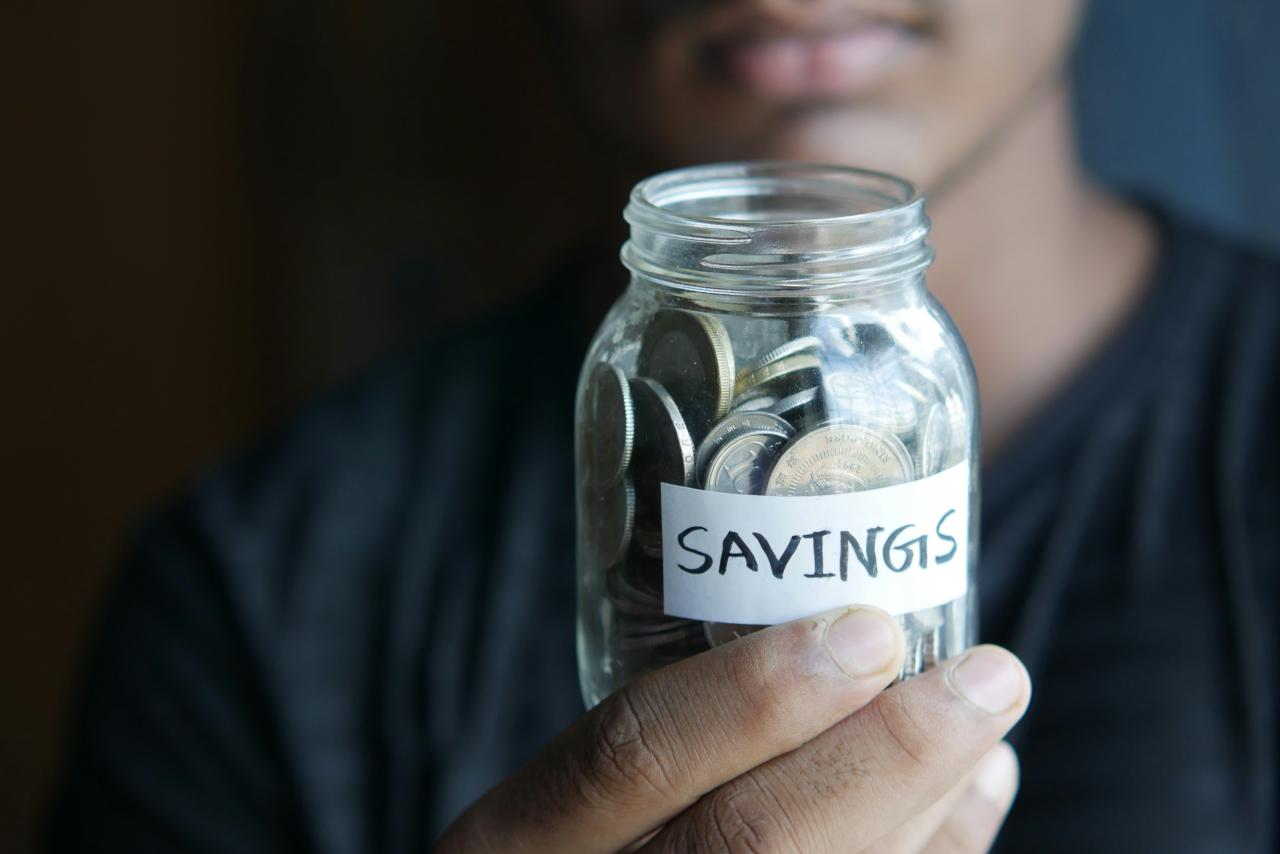
An emergency fund is money reserved for necessary expenses you did not reasonably plan for, such as an urgent repair, a medical bill, or a sudden loss of income. It is not an investment strategy or a pot for predictable annual costs. Its job is to give you time and options when ordinary cash flow is disrupted.
Worldwide Google Trends data reviewed on October 5, 2026 showed substantial, recurring interest in “emergency fund” over both the previous 12 months and 30 days. The concept applies widely, but account protections, inflation, taxes, and access rules differ by country. This guide therefore focuses on a process rather than a specific financial product.
Define What Your Fund Is For
Write a short emergency policy before saving. A qualifying expense is usually urgent, necessary, and unplanned. Losing work, repairing essential transport, replacing a critical appliance, or paying an unavoidable health expense may qualify. A sale, routine holiday, expected insurance renewal, or optional upgrade usually does not.
The definition should match your household. Someone who relies on a car for income may treat an urgent vehicle repair differently from someone with dependable public transport. Renters and homeowners face different risks. Keep the policy simple enough to apply under stress.
Calculate Essential Monthly Spending
Start with expenses that must continue during an income interruption: housing, basic food, utilities, essential transport, insurance, minimum debt payments, medication, and necessary care. Review several months of statements so irregular essentials are not missed. Exclude optional subscriptions, entertainment, and savings contributions from this survival estimate.
For illustration, assume a household has essential monthly expenses of 1,800 currency units. One month of essentials is 1,800; three months is 5,400; and six months is 10,800. These figures demonstrate multiplication, not a recommendation. The appropriate target depends on income stability, dependents, insurance, health, access to support, and local conditions.
Use an Emergency Fund Target Ladder
A large final number can make starting feel pointless. Divide it into stages. The first target might cover one common disruption, such as an urgent repair or a week of essential expenses. The next could cover one month of essentials. Longer-term stages can then be considered based on household risk.
Official guidance varies. MoneyHelper presents three to six months of essential outgoings as a rule of thumb while emphasizing that any amount can help. The CFPB avoids prescribing one universal total and recommends looking at past shocks and personal circumstances. Treat rules as prompts, not pass-fail tests.

Photo by Towfiqu barbhuiya under the Unsplash License.
Find a Sustainable Contribution
Subtract essential expenses, minimum obligations, and a realistic amount of ordinary spending from take-home income. Choose a contribution that can repeat without immediately being reversed. If income changes from month to month, save a percentage of receipts or transfer more during stronger months instead of forcing a fixed amount.
Small automation can reduce the number of decisions required. A transfer scheduled soon after income arrives reflects the pay-yourself-first approach. Before automating, make sure the timing will not cause missed bills or account fees.
Windfalls can accelerate the fund, but they should supplement a repeatable habit. If an unusually large contribution leaves no cash for near-term essentials, the plan is fragile.
Keep the Money Safe and Accessible
Emergency money should generally be easy to access, stable in value, and separate enough from daily spending to reduce temptation. The appropriate place depends on local banking systems, consumer protections, fees, withdrawal rules, currency risk, and personal access needs.
Do not assume an account is protected simply because it is offered by a familiar app. Confirm which regulated institution holds the money, what protection applies in your jurisdiction, how quickly withdrawals arrive, and whether limits or penalties exist. Keeping significant cash at home introduces theft, loss, fire, and inflation risks.
Coordinate Emergencies With Debt
Saving while carrying expensive debt involves tradeoffs. A small reserve may prevent the next unexpected bill from becoming new debt, while directing every extra unit to savings can be costly if high interest continues accumulating. Keep required payments current and seek qualified local help if essential bills or priority debts are already overdue.
After establishing a starter cushion, compare the guaranteed cost of debt with the purpose of additional savings. Our debt snowball versus avalanche guide explains two repayment sequences without prescribing one for every borrower.

Photo by Napendra Singh under the Unsplash License.
Use and Rebuild the Fund Without Shame
An emergency fund succeeds when it is used for a genuine emergency. Record the withdrawal, pay the necessary cost, and update the remaining balance. If the event permanently changes expenses or income risk, reconsider the target.
Rebuilding can return to the same contribution schedule used before. If the withdrawal revealed a predictable cost—such as annual maintenance—it may belong in a sinking fund next time. That distinction prevents recurring bills from repeatedly draining the safety net.
Review the Plan
Check the fund after a move, job change, new dependent, change in health, major debt payoff, or significant rise in essential expenses. Also verify access details and beneficiary or household instructions where relevant. Avoid constantly changing the target in response to alarming headlines; revise it when household facts change.
Conclusion
Building an emergency fund is a sequence: define emergencies, calculate essential spending, choose staged targets, contribute consistently, and keep the money safe and accessible. Begin with a useful first milestone rather than waiting for a perfect plan. Review the amount as your risks change, and replenish it after a legitimate use.
This article is for general informational purposes only and does not constitute financial, investment, tax, or legal advice. Consider consulting a qualified professional about your individual circumstances.